ARFID (Avoidant/Restrictive Food Intake Disorder) is a recognised eating disorder, but unlike anorexia or bulimia it has nothing to do with body image. It is driven by sensory sensitivity to taste, smell or texture, by fear of choking or vomiting, or by a simple lack of interest in food. Because so few people know about it, young people living with ARFID often meet jokes, pressure and comments at the table instead of understanding.
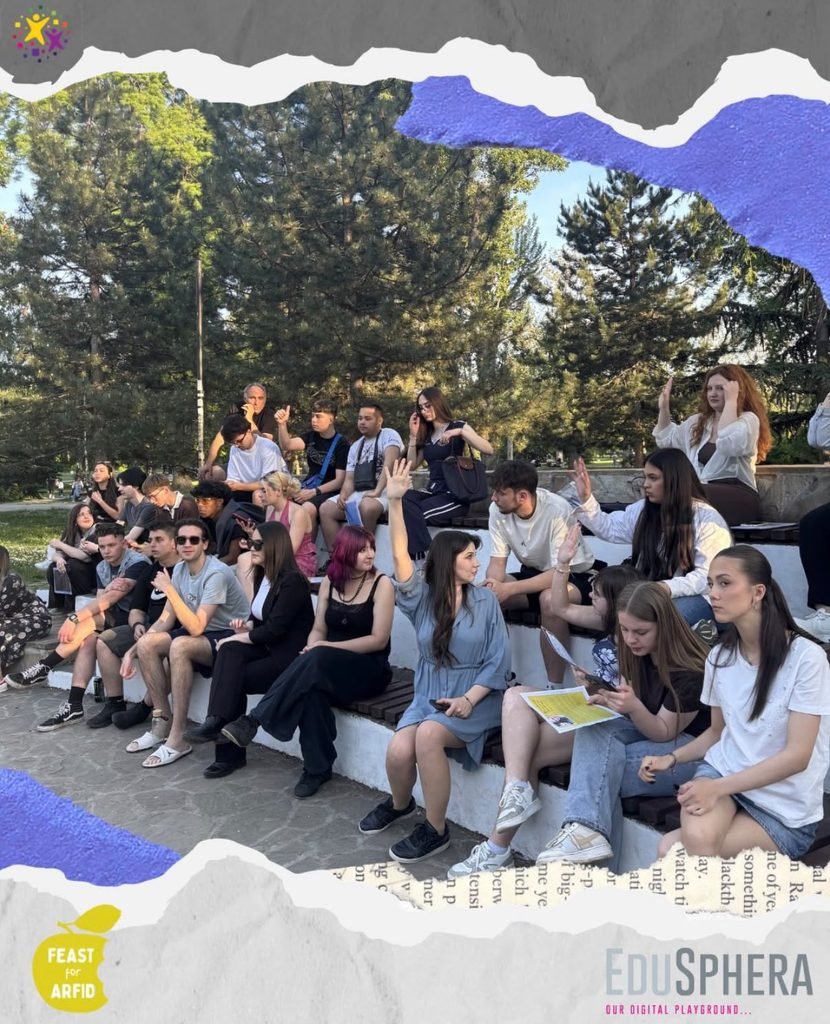
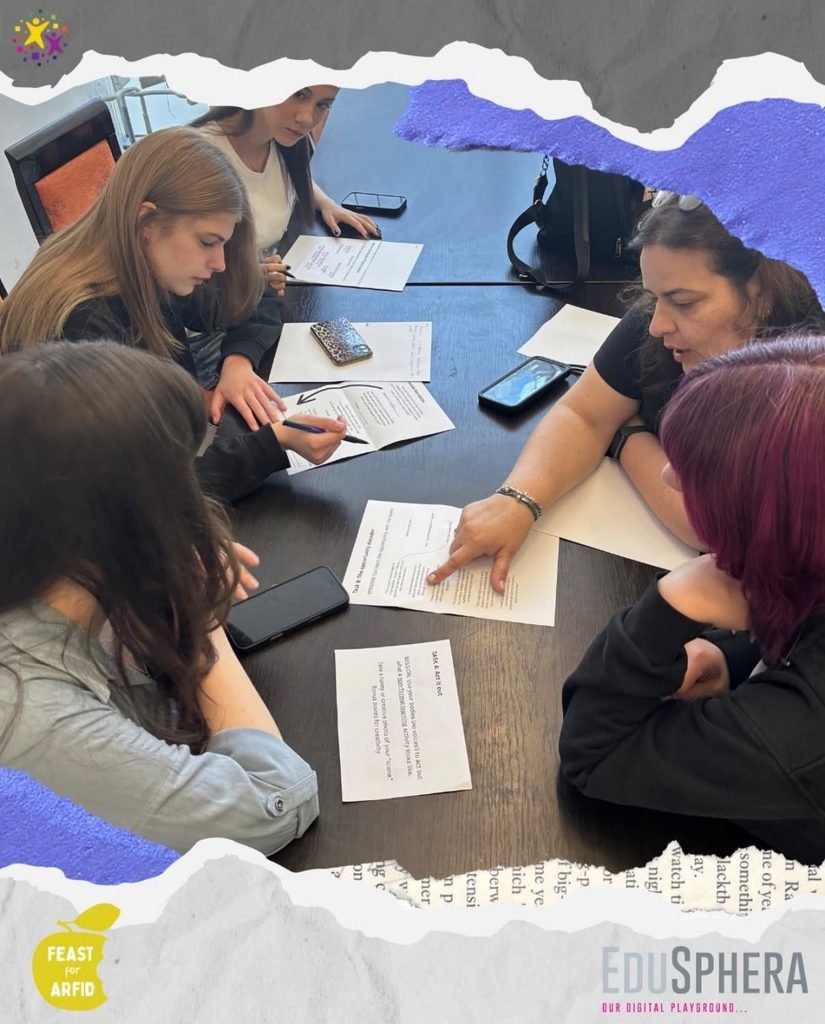
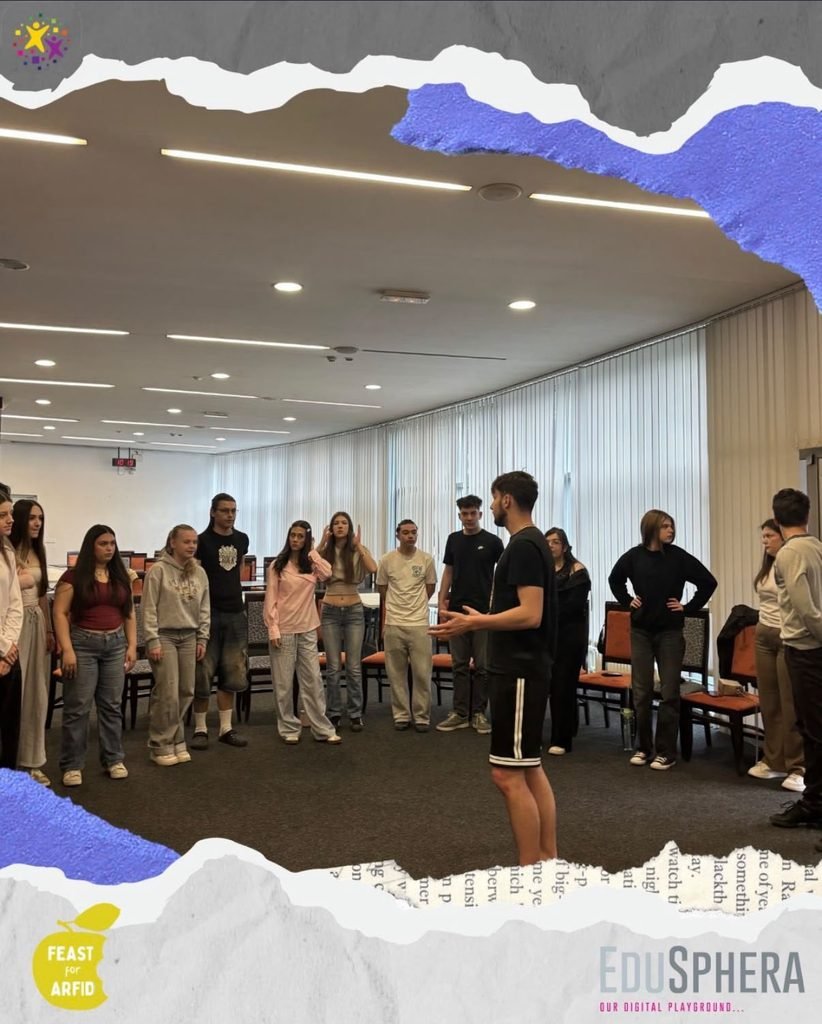
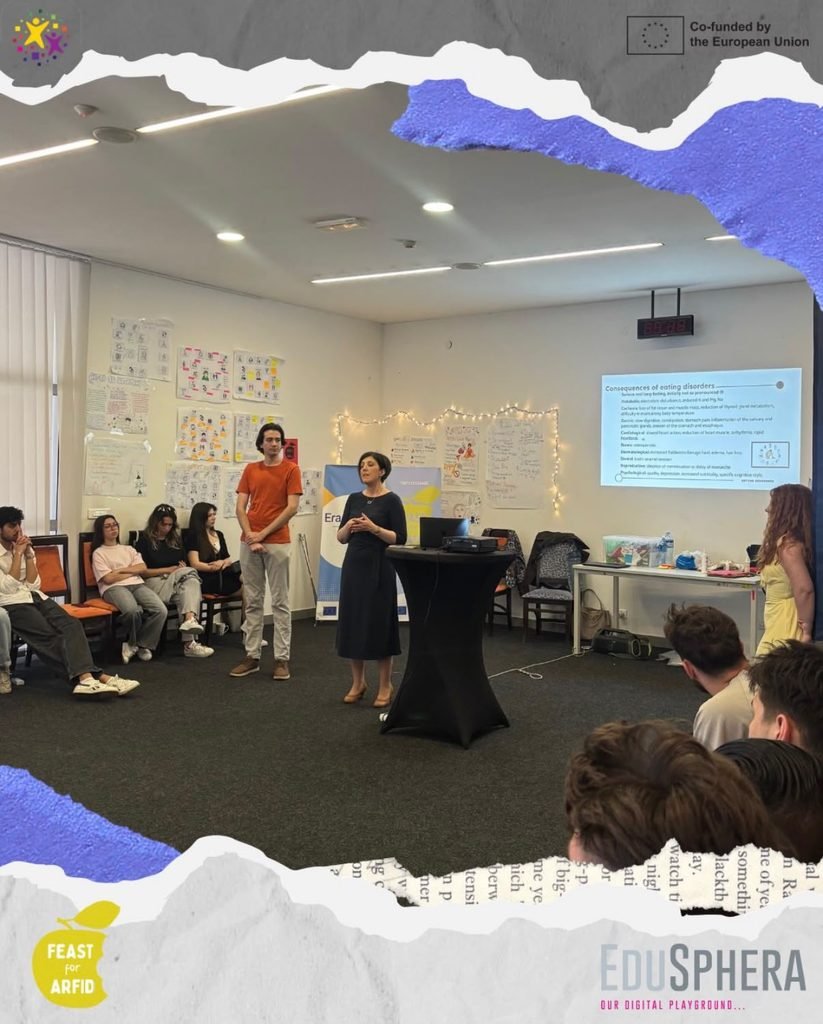
FEAST for ARFID set out to change that. In May 2026, 36 young people and 6 group leaders from Serbia, Poland, Bulgaria, North Macedonia, Romania and Portugal spent 9 days together in Niš. Through case studies, empathy mapping, an influencer simulation, creative workshops and intercultural evenings, they learned what ARFID and other eating disorders are, how social media shapes the way we talk about food and bodies, and, most importantly, how to support a friend without judging, pressuring or diagnosing. A guest psychology professor and participant-led sessions, including one by a medical student, gave the group a deeper and well-informed view of the topic.
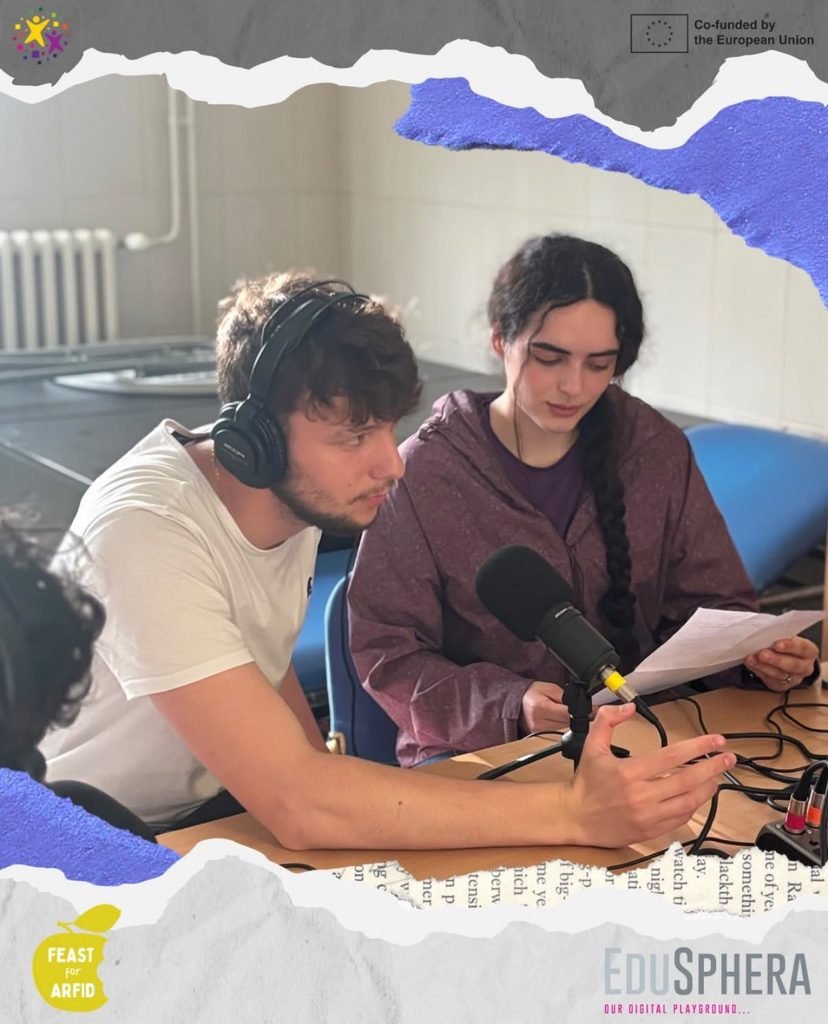
Participants did not only learn. They created. In international teams they recorded a 10-episode podcast, wrote a cultural cookbook that pairs recipes from six countries with the personal memories behind them, and designed support cards and awareness posters. Back home, they took the topic into their schools, youth organizations and online communities through 12 follow-up events, so that more young people across Europe now know that ARFID is not “just picky eating”.

Project Type: KA152
Date: 19.1.2026. – 18.8.2026.
Place: Niš, Serbia
Number of participants: 42
Participating countries: Serbia, Poland, Bulgaria, North Macedonia, Romania, Portugal
– Eating disorders, with a focus on ARFID (Avoidant/Restrictive Food Intake Disorder)
– Mental health and wellbeing of young people
– Body image, social media and online pressure
– Empathy, non-judgmental communication and peer support
– Inclusion of young people with fewer opportunities
– Intercultural learning, food and cultural identity
– Youth participation and digital creativity (podcast, posters, cookbook)
Direct target group: young people, many of them 16 or 17 years old, motivated to learn about mental health and to share what they learn with their peers. No prior knowledge of eating disorders was needed. Half of the participants were young people with fewer opportunities, including those from rural areas, with health difficulties, or facing economic, social or educational barriers. About a third were taking part in Erasmus+ for the first time.
Group leaders: one per country, who prepared their national teams, cared for their wellbeing during the exchange and supported them in the follow-up.
Indirect target groups: classmates, teachers, friends and families of participants; youth workers and volunteers in partner organizations; online communities following the participants and partners; and young people who live with ARFID or other eating difficulties and need peers who respond with understanding instead of pressure.
General aim: to build young people’s capacity to understand eating disorders, especially ARFID, and to respond to peers with empathy, respect and appropriate referral to help.
Specific objectives:
– To increase participants’ understanding of ARFID, anorexia, bulimia and binge-eating disorder: their characteristics, warning signs and impact on health and daily life.
– To explore factors that contribute to eating difficulties, such as social-media pressure, body-image expectations, mental-health challenges and sensory sensitivities.
– To give participants practical tools to notice possible difficulties and respond in a compassionate, non-judgemental way, while respecting the line between peer support and professional help.
– To promote intercultural dialogue and shared European values, and to build a network of young advocates who raise awareness in their communities.
The project never aimed to teach young people to diagnose. It aimed to make them informed, sensitive friends who know what to say, what to avoid and when to encourage someone to talk to a trusted adult or a professional.
– Empathy before judgement. We listen first and do not comment on what or how much someone eats.
– Safety and respect. No one has to share personal experiences. Clear rules, content warnings and the option to step back made it safe to talk about a sensitive topic.
– Inclusion. Half of the group were young people with fewer opportunities, and everyone could contribute through speaking, writing, drawing, design, research or technical work.
– Youth participation. Participants co-created the group rules, chose podcast topics, led sessions themselves and led eight of the twelve follow-up activities.
– Knowing our limits. Youth work raises awareness and builds empathy. Diagnosis and treatment belong to qualified professionals.
– Intercultural respect. The same remark about food can sound friendly in one country and hurtful in another. We learned from those differences.
– Solidarity and European belonging. Six countries, one shared message: no young person should feel alone at the table.
Date: 3.5.2026. – 13.5.2026.
36 young people and 6 group leaders from six countries lived and learned together at Sports Centre Čair in Niš. Every day started with an energizer led by a national team, continued with two thematic blocks and creative work, and ended with reflection in small groups.
– Days 1–2
Becoming one group: name games, a cooperative ball game, a personal object exchange and a human-sized board game; co-created group rules; anonymous expectations and fears; introduction to Erasmus+ and Youthpass through the “Competence Investigation” method; first contact with eating disorders through speed learning and case studies.
– Days 3–4
Understanding ARFID and the online world: group research on different aspects of ARFID, empathy mapping and perspective-taking; an influencer simulation and the “Red Flag Hunt” on harmful online messages about food and bodies; creation of awareness posters.
– Days 5–7
Food, memory and creation: food and cultural identity; writing the cultural cookbook; planning, scripting and recording 10 podcast episodes in international groups; designing digital support cards; exploring the city of Niš.
– Days 8–9
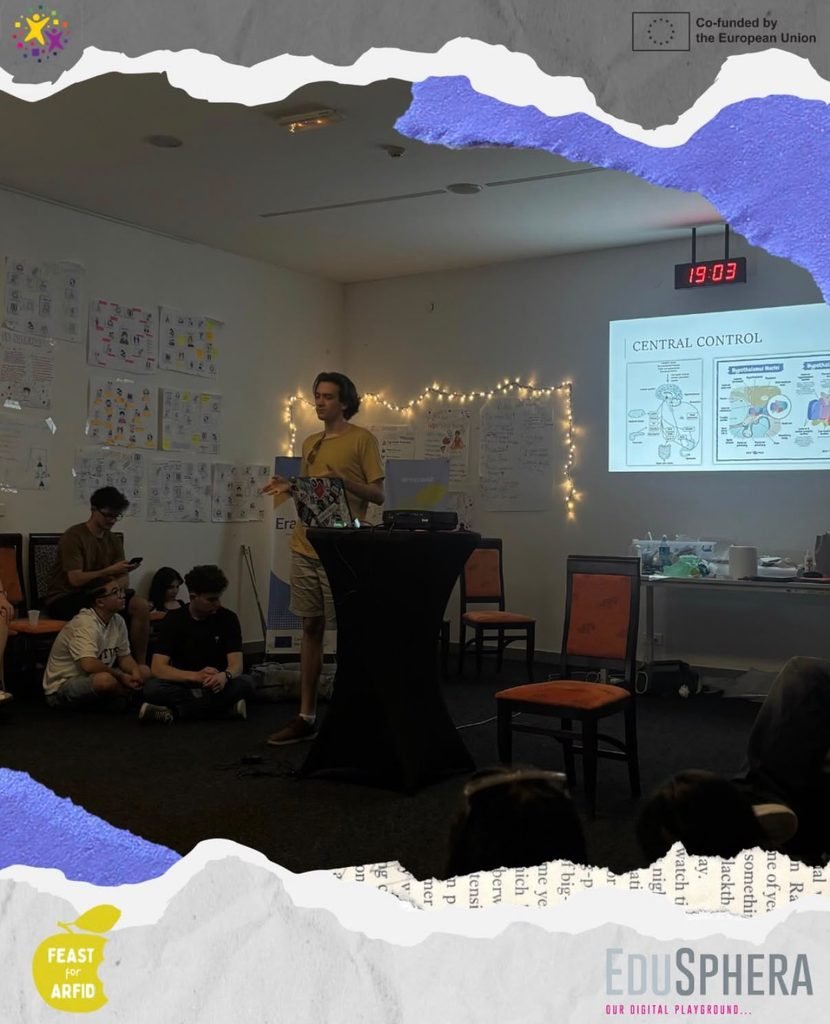
Sharing and looking ahead: finishing the outputs, planning local follow-up activities in national teams, participant-led sessions (a presentation on ARFID by a medical student, a workshop on self-confidence and supportive surroundings, a case-study session), Youthpass reflection, an expert session with a guest psychology professor, guided storytelling and Dixit cards as a closing reflection.
Evenings included intercultural nights where each national team presented its culture, and self-organised free time that participants asked for. Knowledge was measured with an initial and a final assessment, and daily reflection helped participants put their learning into words.
| 1. A podcast made by young people, for young people. “FEAST for ARFID” is a 10-episode podcast series on Spotify, recorded in international groups during the exchange. It was planned as 6 to 8 episodes and grew to 10. The episodes introduce the project and Erasmus+ and then talk openly about ARFID, other eating disorders, mental health, empathy and peer support. The facilitators checked every episode for accuracy and sensitive language. Partners already use it in their work: NOVUS played it with its group of youth volunteers in North Macedonia. 2. A cultural cookbook with stories. The 65-page cookbook brings together recipes from Serbia, Bulgaria, North Macedonia, Romania, Portugal and Poland, each with a personal memory: a grandmother’s sarma, banitsa made for every Bulgarian holiday, gomboce taught by a neighbour, Polish chicken soup. Some recipes show how a dish can be adapted to be more ARFID-friendly. It opens a conversation about food through memory and belonging instead of rules. It was planned in English only, but participants translated it into all six partner languages, so it now exists in seven. 3. Practical tools for everyday situations. Support cards show what to say, what to avoid and who can help in typical ARFID-related situations. Together with the awareness posters, social-media materials and the resilience handbook on the project Padlet, they are ready to use in classrooms, youth groups and online. 4. Real change in knowledge and attitudes. Across 22 indicators measured at the start and end of the exchange, the average score rose from 3.91 to 4.48 out of 5. Understanding of ARFID rose from 2.88 to 4.55, the ability to tell it apart from other eating disorders from 2.98 to 4.60, and confidence in explaining the topic to other young people from 3.12 to 4.43. Participants moved from seeing eating disorders only as a body-image issue to understanding sensory, fear-based and low-interest patterns. All 42 participants and group leaders completed their Youthpass certificates. 5. The message travelled across six countries. Participants and partners organised 12 follow-up activities, 8 of them led by participants: school presentations in Bulgaria and Poland, in-person events in Serbia, North Macedonia, Romania and Portugal, and five online sessions. About 231 people attended, Instagram posts reached 21,489 accounts, and the project was featured in an article on the E+ Komuna platform. Partners rated their cooperation 4.83 out of 5 and are now planning a joint training course for youth workers to take the topic further. |